Big roofs, big peaks, read plainly
We find the 15 minutes that set each site’s demand charge.
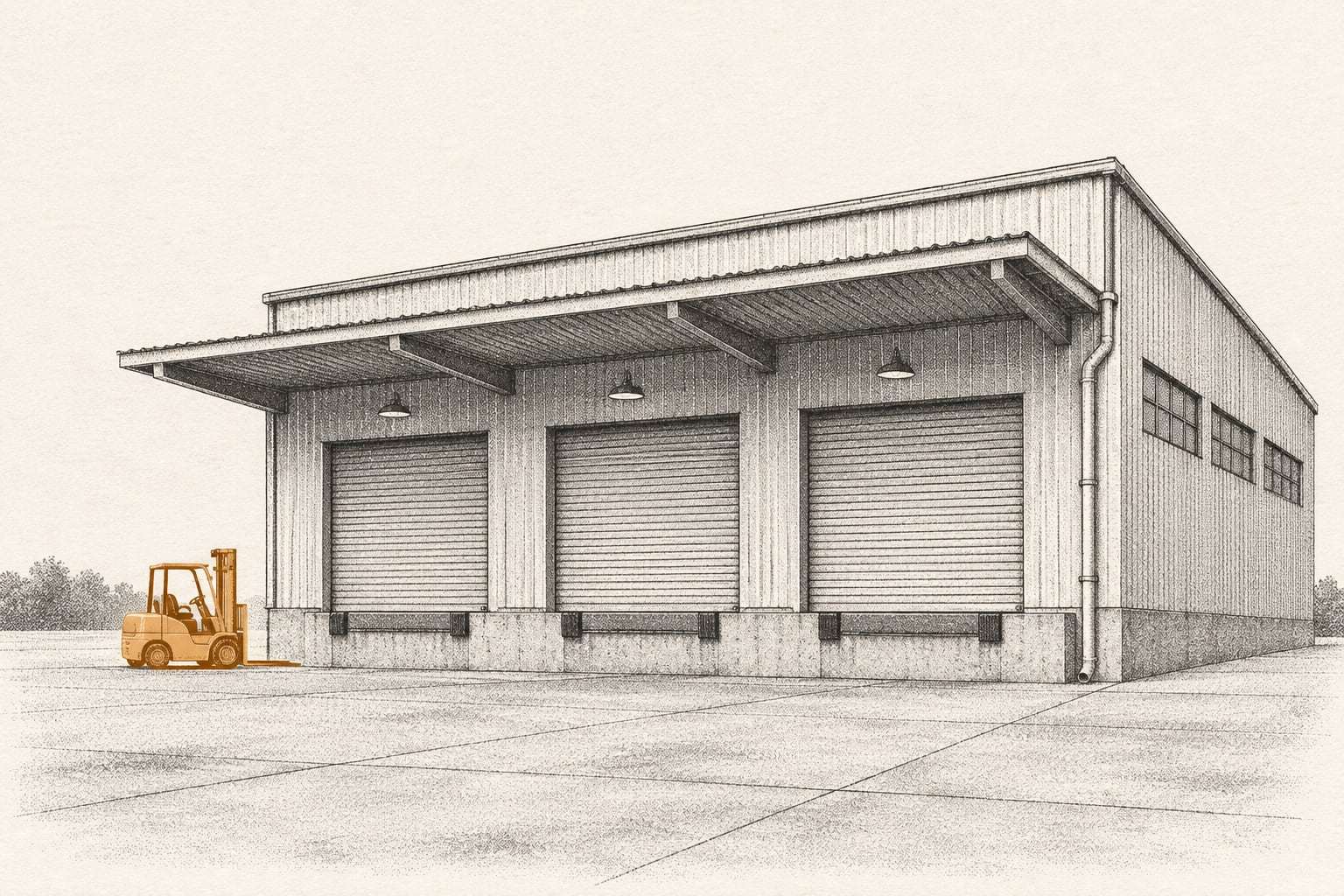
The National Renewable Energy Laboratory found demand charges can account for 30% to 70% of a customer’s electricity bill. In a warehouse, a forklift charging cycle overlapping a compressor start can set the month. We find that interval and show who can move it.
What sets an industrial bill
One peak, whole month
The highest average interval, usually 15 minutes according to NREL, prices demand for the whole billing period.
Ratchets that linger
Some schedules bill a share of a past peak for months, so one July spike reaches into winter.
Power factor charges
Motors and older lighting draw reactive power; some tariffs add a charge when power factor drops.
Chargers and compressors
Forklift and dock chargers plugged in at shift change stack on top of refrigeration starts.
Where warehouse teams usually start
Demand Charge Plan
Twelve months of one site’s interval data, each peak traced to equipment and shifts, from $3,200 per site.
Interval Watch
Interval data read between bills, so each new peak is explained early, from $18 per meter a month.
Rate Fit Review
Each account compared across schedules with different demand, ratchet and power factor terms.
Back-Bill Review
Thirty-six months of bills reread for ratchet and power factor billing errors, for a fixed fee from $3,500.
From interval data to a plan
- Days 1 to 30
Pull the intervals
Twelve months of interval data and bills per site; meters, chargers and compressors listed with your facilities lead.
- Days 31 to 60
Trace each peak
Every monthly peak matched to a shift, a charger bank or a compressor start, with any ratchet shown.
- Days 61 to 90
Plan the moves
A plan per site: charging windows, start sequences, schedule changes, and what needs a licensed engineer.
Warehouse and plant questions
Do we need new meters for this?
Usually not. Most commercial electric meters on demand schedules already record interval data, and the utility releases it with a letter of authorization. Where a site has no interval meter, we work from the monthly bills and say plainly how much less they can tell you.
Can you fix our power factor?
No, that is engineering work. We show whether the tariff charges for low power factor, what it has cost on past bills and which sites it affects. Correction equipment is designed and installed by a licensed electrical engineer or contractor you choose; we hand them the numbers.
How does a demand ratchet affect us?
A ratchet can keep billing part of a past peak after the peak is gone. Where your schedule has one, we show which month set it, how long it lasts and what it adds to each bill. Check the current tariff for the exact terms, because they differ by schedule.
Will electric forklifts or trucks raise our demand charge?
They can, depending on when they charge. Chargers plugged in at shift change often land on top of the building’s existing peak. We lay charging windows over your interval data so you see the likely demand effect before you buy more chargers.
Do you work with refrigerated warehouses?
Yes. Refrigeration runs around the clock, so the useful question is when compressors and defrost cycles start, not whether they run. We read the interval data for repeat peaks and give your refrigeration contractor the times. Any control change is theirs to design and install.
Tell us about your portfolio
A 30-minute call, three recent bills if you have them, and a plain read on where to look first.