Gas and power both peak at dinner
We read gas and electric bills together for every location.
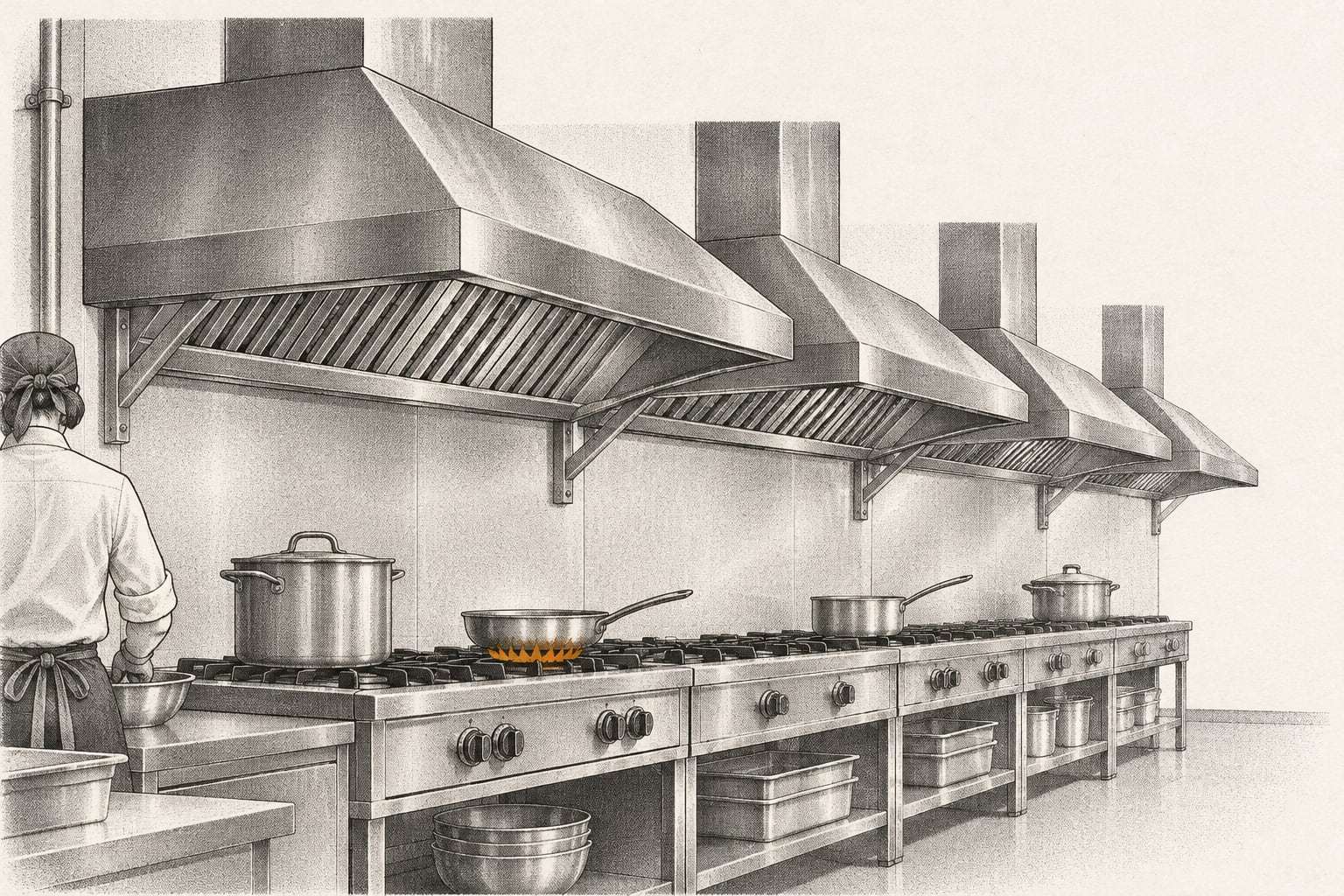
A kitchen runs its hoods, fryers and walk-ins hardest in the same few hours every night. Gas and electric both carry that service, on two accounts with two billing cycles. We read them side by side, location by location.
Where restaurant utility costs drift
Service-hour peaks
Hoods, fryers and dish machines run together at dinner, and that hour can set the month’s electric demand.
Walk-ins all night
Walk-in coolers run around the clock; a failing door gasket shows up as usage, not a work order.
Many small accounts
Each location carries electric, gas, water and sewer accounts, each on its own billing cycle.
New openings
A new kitchen opens on whatever schedule the utility assigned, and nobody checks it again.
Where restaurant groups usually start
Three-Bill Read
Free: send one location’s gas, electric and water bills and get a written read in five business days.
Bill Desk
Every location’s gas, electric and water bills checked each month, from $12 per meter a month.
Rate Fit Review
Checks whether each kitchen sits on the electric schedule that fits a dinner-heavy load, up to 20 accounts.
Peg Baseline
A baseline per location, so each new opening joins the peg with its own written start date.
Your first three months
- Month 1
Every account found
Gas, electric, water and sewer accounts listed per location, with opening dates and current rate schedules.
- Month 2
Kitchens read together
Each location’s gas and electric compared month over month, so one kitchen’s jump stands out against the group.
- Month 3
Openings set up
A checklist for every new opening: account name, rate schedule, read type and the first three bills checked.
Restaurant group questions
Do you track gas as well as electric?
Yes. Most kitchens spend heavily on natural gas for ranges, fryers and water heating, so we read gas bills with the same care as electric: therms, read type, the therm conversion factor and the rate schedule. Water and sewer bills are checked alongside them.
Can you tell when a walk-in cooler is failing?
Sometimes, from the data. A walk-in that runs longer than usual shows as higher overnight usage at locations with interval meters. We flag the pattern and the dates; your refrigeration technician finds the cause. On monthly bills alone, we can only see the total move.
What do you check when we open a new location?
We check that each account is in the right legal name, on a sensible rate schedule, and billed on actual rather than estimated reads. Then we read the first three bills closely, because setup mistakes show there first. Any rate change is drafted for your approval.
Can you include our franchise locations?
Only where the franchisee signs the letter of authorization, because the utility account is in their name. We can run one report across company and franchise locations, with each franchisee receiving only their own sites. The per-meter fee is the same for both.
Is there a minimum group size?
Bill Desk has a $450 monthly minimum, about 38 meters at the $12 starting rate. Smaller groups can start with the free Three-Bill Read, or a fixed-fee Back-Bill Review from $3,500 for up to 50 accounts and 36 months of bills.
Tell us about your portfolio
A 30-minute call, three recent bills if you have them, and a plain read on where to look first.